
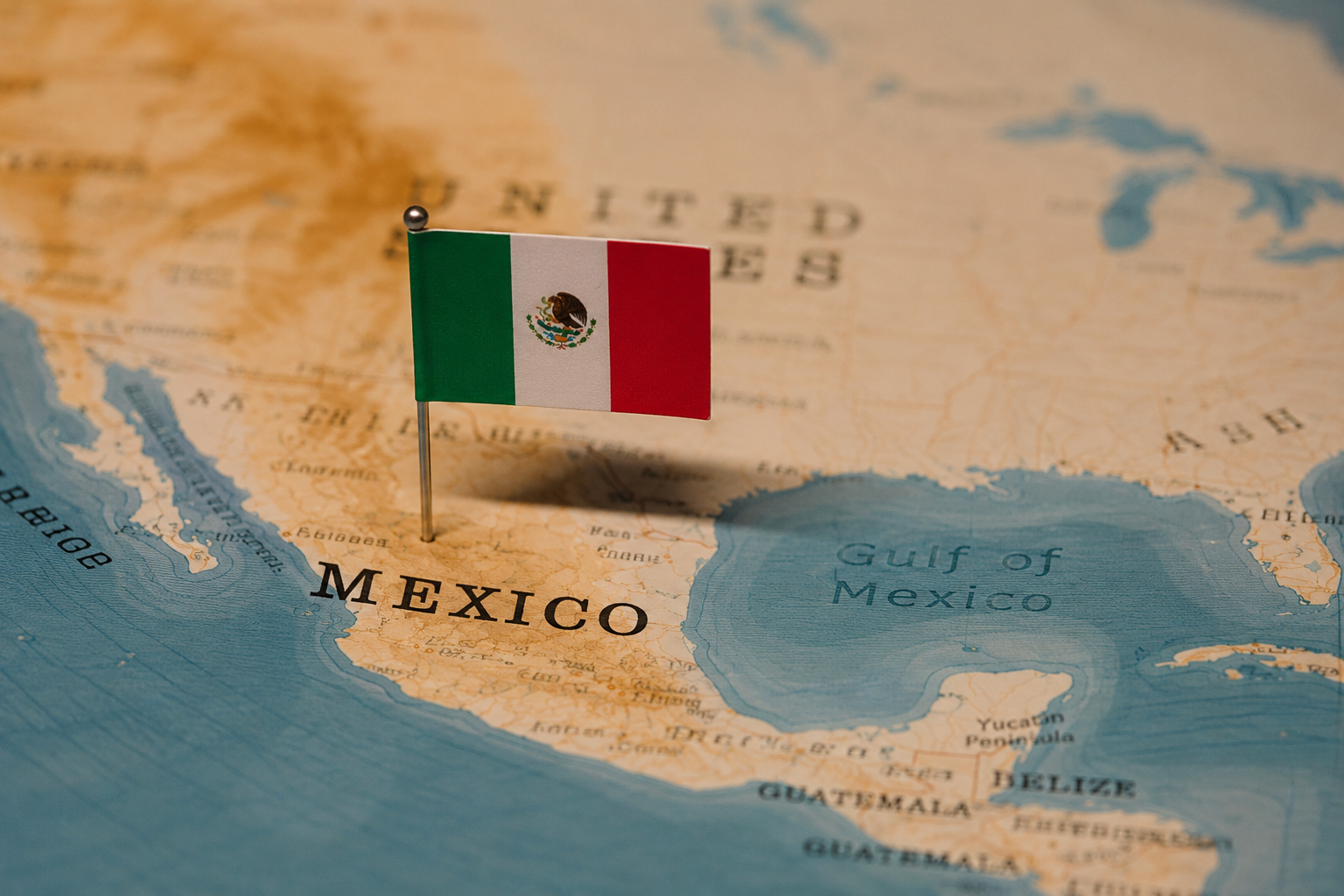
Mexico’s SAR testing requirements have changed significantly in recent years, creating new compliance considerations for companies that manufacture or sell wireless devices in the Mexican market.
Mexico formally introduced SAR requirements under technical regulation IFT-012-2019, published on February 26, 2020. The regulation applies to wireless and RF-enabled products operating near the head or within 200 mm of the body across frequency ranges from 30 MHz to 6 GHz. As Mexico continues aligning with international RF exposure standards, manufacturers must ensure their products meet applicable SAR limits before receiving final homologation approval, Mexico’s mandatory market authorization process for wireless devices.
Working with an experienced SAR testing laboratory can help companies streamline the certification process while avoiding compliance delays with unexpected costs. Below is an overview of key considerations for Mexico SAR compliance and how RF Exposure Lab’s SAR Testing Services support the certification process.
What Products Require Mexico SAR Testing?
Mexico’s SAR requirements apply to many wireless and RF-enabled products, including:
- Mobile phones
- Laptops and tablets
- Wearables
- Wi-Fi and Bluetooth devices
- Wireless routers and modems
- IoT and connected devices
These product categories are subject to testing under internationally recognized standards, including IEC 62209-1 and IEC 62209-2, helping align Mexico’s framework with broader global SAR testing methodologies.
What Are Mexico’s SAR Exposure Limits?
Under IFT-012-2019, SAR limits apply to wireless devices operating between 30 MHz and 6 GHz.
Depending on the device classification, SAR limits for products used within 200 mm of the head or body may include:
- 1.6 W/kg averaged over 1 gram of tissue (head and trunk)
- 2.0 W/kg averaged over 10 grams of tissue (limbs)
Testing may also include:
- Head SAR evaluations
- Body-worn SAR evaluations
- Handheld SAR evaluations
- Multiple antenna or transmission configuration testing
Addressing SAR compliance early in the development cycle is essential. Requirements often shift based on device category and intended application, and proactive evaluation helps manufacturers avoid certification bottlenecks and costly launch delays.
Why Is Mexico SAR Compliance Important?
If your product fails to demonstrate SAR compliance for Mexico, it cannot complete the required market authorization process.
Manufacturers and importers that wait too long to evaluate SAR requirements often encounter:
- Product launch delays
- Additional testing costs
- Certification bottlenecks
- Redesign requirements
- Duplicate testing efforts
Mexico’s certification process can also involve coordination between:
- SAR testing laboratories
- Certification Bodies (CBs)
- Authorized Mexico-based compliance reviewers known as Peritos
- Regulatory authorities
Because of this, companies benefit from working with a lab that understands both the technical testing requirements and the coordination involved in Mexico’s certification process.
How Does Mexico SAR Certification Work?
While final Mexico homologation requires review through a Mexico-accredited Certification Body, internationally accredited SAR laboratories provide the technical testing data needed to support the process.
RF Exposure Lab operates under:
- A2LA accreditation
- ISO/IEC 17025 standards
Because A2LA participates in international Mutual Recognition Arrangements (MRAs) through ILAC, RF Exposure Lab’s test reports are structured to support global certification workflows, including Mexico market access.
This helps manufacturers:
- Reduce technical hurdles
- Streamline documentation
- Support faster certification timelines
- Avoid unnecessary repeat testing
Why Work With RF Exposure Lab?
Not all SAR testing labs are the same. RF Exposure Lab specializes exclusively in SAR testing and RF exposure compliance.
Key differentiators include:
- First lab accredited by NIST to perform SAR testing for Mexico
- 22+ years in business
- 45+ years of combined regulatory experience
- The only standalone SAR testing lab in the United States
- Fast turnaround times
- Expertise supporting global compliance pathways
- Trusted by EMC and wireless protocol laboratories worldwide
Because RF Exposure Lab focuses specifically on SAR testing, manufacturers and partner labs can work with an independent SAR specialist without engaging a direct EMC competitor. RF Exposure Lab also brings extensive experience in FCC SAR testing and international RF exposure compliance across global markets.
Why Should Manufacturers Address SAR Compliance Early?
The earlier manufacturers evaluate SAR requirements, the more flexibility they have to address potential issues without disrupting product timelines.
Pre-compliance SAR evaluations can help identify:
- Potential RF exposure issues
- Antenna placement concerns
- Power output problems
- Design configurations that may exceed SAR limits under real-world use conditions
Addressing SAR compliance early can save manufacturers significant time and money by avoiding late-stage redesigns and certification delays. For products targeting multiple global markets, early SAR evaluation is especially valuable; requirements vary by region, and a single testing campaign can often address several markets simultaneously.
Get Help With Mexico SAR Testing
Mexico’s SAR compliance framework continues to evolve alongside broader global RF exposure regulations. As regulatory scrutiny increases worldwide, manufacturers need experienced compliance partners who understand both technical testing requirements and international certification workflows.
RF Exposure Lab brings decades of experience supporting manufacturers with SAR testing and global market compliance. For SAR testing backed by speed, technical expertise, and proven accuracy, contact RF Exposure Lab today.